Seeking radiant, youthful skin free from blemishes? Tretinoin, a potent vitamin A derivative, has emerged as a transformative force in skincare, delivering proven results in refining skin texture, combating acne, and diminishing fine lines. Recognized as one of the most powerful anti-aging and acne-fighting treatments available, tretinoin has earned enthusiastic endorsement from skincare professionals and users alike for its remarkable ability to rejuvenate the complexion. This comprehensive guide explores the scientific foundation of tretinoin, highlights its key benefits, and provides practical strategies for successfully incorporating this potent ingredient into your skincare regimen. Read on to discover how tretinoin can help you achieve your skin goals.
What is tretinoin and what does it do to your skin?
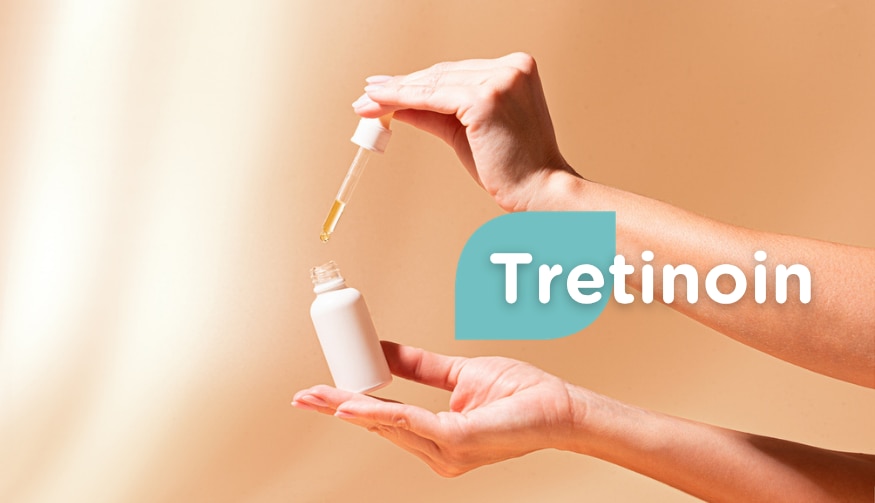
Tretinoin, a potent vitamin A derivative, is renowned for its acne-fighting properties and skin-rejuvenating effects. This powerful compound boosts skin cell production and speeds up cellular turnover, effectively combating various skin concerns. Its ability to unclog pores and prevent dead skin cell accumulation makes it a formidable ally against blackheads, whiteheads, and pimples.
Beyond acne treatment, tretinoin’s benefits extend to anti-aging. It can significantly diminish the appearance of wrinkles, freckles, and dark spots while enhancing overall skin texture and reducing acne scars.
Available in various formulations, including gels, creams, and solutions, tretinoin typically requires a prescription from a healthcare provider. It’s important to note that tretinoin may cause initial skin irritation, mainly when first introduced to your skincare routine. Before starting tretinoin treatment, it’s always best to consult a dermatologist or healthcare professional for personalized advice and to address any concerns.
What’s the difference between tretinoin and retinol?
In short, tretinoin is a synthetic version of vitamin A, while retinol a natural derivative of vitamin A.
Although both of them work similarly and are commonly used for acne and anti-aging treatment, they are not the same—Tretinoin is a retinoic acid that acts directly on your skin, whereas retinol only gets CONVERTED to retinoic acid when it’s applied to the skin. Without any conversion steps needed, tretinoin is almost 5 times more powerful than retinol, yes is also more irritating as well.
While you need a prescription for tretinoin, retinol is available over-the-counter.
How to start?
You can start with using tretinoin once a week for one month, then increase to twice a week for the second month. Add days slowly and steadily according to your skin’s tolerance, and use it as frequently as your skin can tolerate it.
Always apply tretinoin at night as the sun’s UV rays break down tretinoin and make it less effective.
Most people stop using it once they notice redness and peeling. The key is not to stop immediately, but to reduce the frequency of usage.
RELATED BLOG

Adapalene vs Tretinoin: Which one is better for aging and acne?
Skin Care / 2 years ago 17467What are the side effects?
It is possible for tretinoin to cause the following side effects:
1. Redness
2. Tightness
3. Dryness
4. Peeling
5. Scaling
6. Mild burning
7. Stinging sensation
It may take 2-4 weeks for the side effects to subside until your skin acclimates. Check with your doctor immediately if you experience severe irritation, or if the irritation doesn’t improve within a few weeks.
When using it, avoid contact with eyes, nasal, and mouth. Do not apply it to open wounds or to areas of sunburn.
Since tretinoin can thin your skin, making it more prone to sun damage and sunburn, you should also pay extra attention to sun protection.