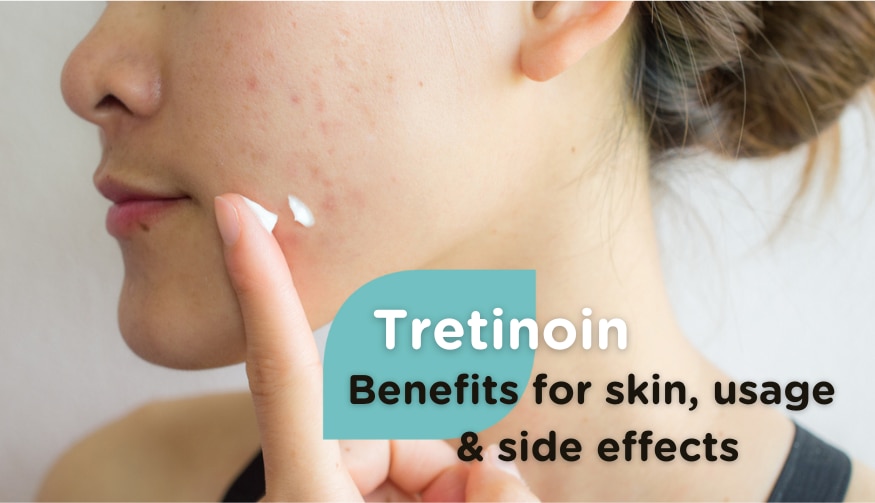
Azelaic acid is one of the popular ingredients that added in the skincare routine recently. It is available in gel, foam, and cream form. It is used to treat mildly to moderately inflamed acne and keep the skin pores clean. Read on to find out everything you need to know about Azelaic acid.
What is Azelaic acid?
Although the name of Azelaic acid sounds like a chemical ingredient that came from the lab, it is actually a natural acid found in grains like barley, wheat, and rye. It is found that Azelaic acid is effective in treating the acne and rosacea and prevent future outbreaks.

Benefits for skin
When it comes to treating acne breakouts, scars and pigmentation, you can use the skincare product with Azelaic acid. As it can:
- help unclog pores and refine skin’s surface
- Kill the bacteria that cause irritation or breakouts
- reduce inflammation
- encourage cell turnover and minimize your scars

How to use
- Wash the affected area with a cleanser or mild soap and pat dry.
- Apply a small amount of medication to the affected area
- Gently massage the medication into the affected area and let it dry completely
- Usually use it twice a day

Side effects
Because it takes some time to take effect, it may not be the first choice for the dermatologists to treat acne. Also, there are some unwanted side effect may occur. Check with your doctor immediately if any of the following side effects occur:
- burning or tingling on your skin
- peeling skin at the site of application
- skin dryness or severe redness
- itching or skin rash
- soreness or swelling of the skin

Check with your healthcare professional for medical advice about side effects.