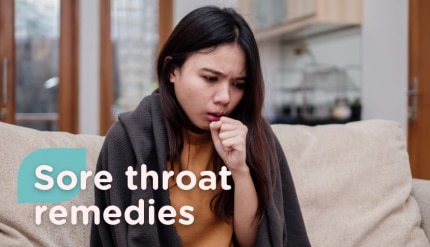
Health alerts are once again trending across social media — and one name that’s catching attention is the Nipah virus. Known for its rare but serious outbreaks, Nipah isn’t a new virus, but its recent resurgence is a reminder of how vital preventive health habits really are.
Here’s everything you need to know about Nipah virus — and more importantly, what you can do to stay safe.
What is Nipah Virus?

The Nipah virus (NiV) is a zoonotic virus, meaning it spreads from animals to humans — and sometimes, even between people. It was first identified in Malaysia in 1998 and has since been reported in parts of South and Southeast Asia.
The virus’s natural carriers are fruit bats, also called “flying foxes.” Transmission usually happens through:
- Eating fruit contaminated by bats
- Drinking raw date palm sap exposed to bat secretions
- Contact with infected animals (like pigs) or their droppings
- Close interaction with infected individuals
While outbreaks are limited, the virus can be deadly — making awareness and prevention essential.
Symptoms you shouldn’t ignore

The early signs are often mild and flu-like:
- Fever and headache
- Muscle pain and fatigue
- Sore throat and cough
- Nausea or vomiting
As the infection progresses, it can cause severe respiratory problems or brain inflammation (encephalitis) — leading to confusion, drowsiness, or even coma.
Because symptoms overlap with other infections, it’s important to seek medical help immediately if you experience persistent fever or neurological symptoms, especially after possible exposure.
Why experts are concerned
Nipah virus has a high fatality rate (40- 75%), and there is currently no specific cure or vaccine. Treatment mainly focuses on supportive care — like oxygen therapy, hydration, and managing fever or brain swelling.
This makes prevention your strongest defense. But there’s no need to panic — small daily habits truly make a big difference.
Health & wellness tips to stay protected
Practicing hygiene, eating safely, and boosting your immunity can drastically reduce your risk. Here’s your Watsons-approved checklist for staying safe and healthy:

- Wash your hands frequently — Use soap and water for at least 20 seconds or an alcohol-based sanitizer.
- Practice safe eating habits — Avoid fruits that may have fallen from trees or been nibbled by animals.
- Say no to raw date palm sap — Unless it’s pasteurized and proven safe.
- Exercise caution around animals — Don’t touch sick or dead animals. Report unusual deaths in livestock to local health authorities.
- Maintain personal hygiene — Shower after outdoor activities and keep fingernails trimmed to prevent germ buildup.
- Strengthen your immunity — Eat a balanced diet rich in vitamin C, zinc, and antioxidants. Sip on warm herbal teas to boost your body’s natural defenses.
- Prioritize rest and hydration — A well-rested body fights infection better!
- Wear masks when unwell — Especially if you’re coughing or sneezing. It’s not just protection; it’s community care.
- Stay informed, not anxious — Follow verified health sources, not viral rumors.
At Watsons, we believe that wellness starts with awareness. So, wash those hands, eat fresh, and care a little more — because protecting yourself protects everyone.